
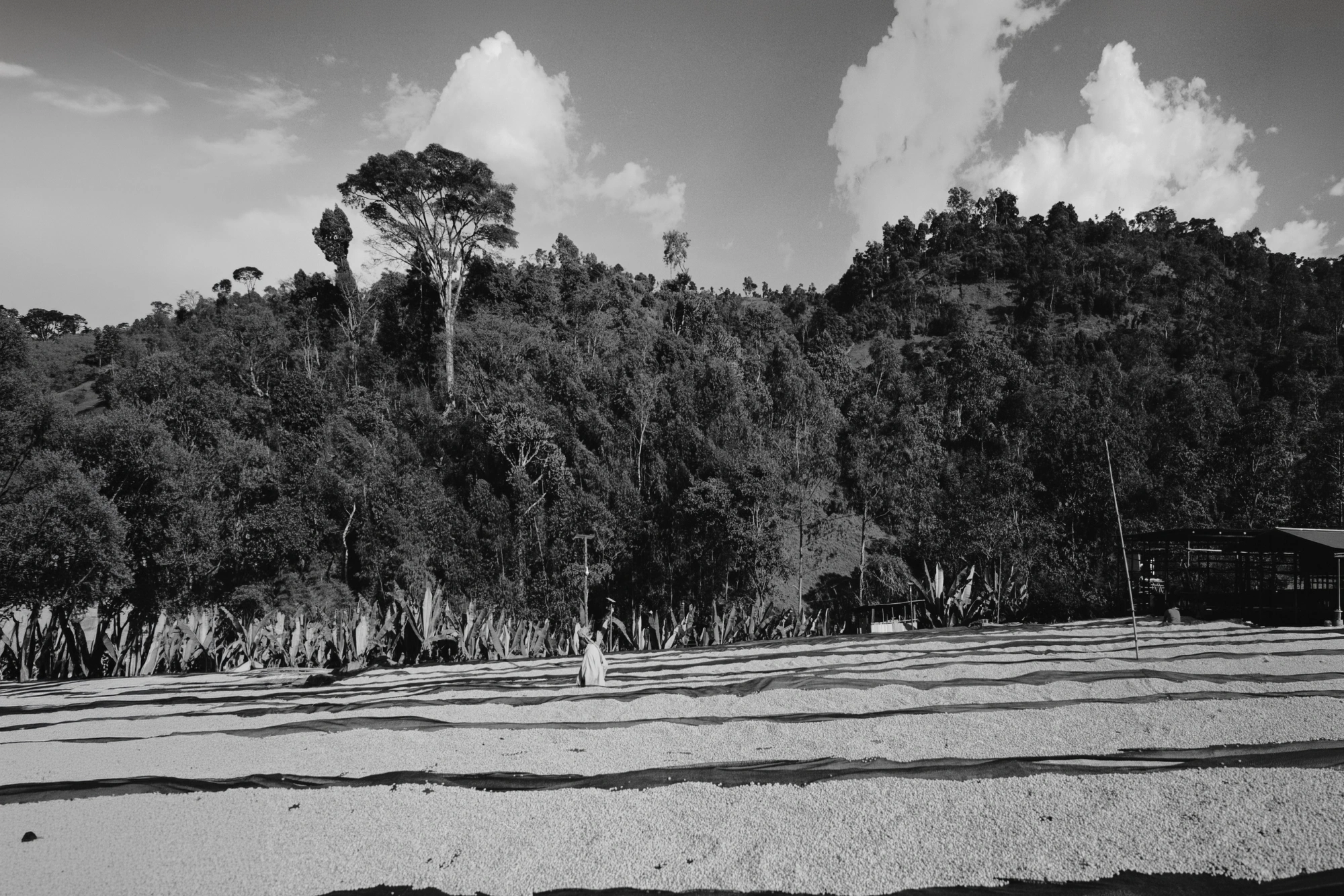
Ethiopian Heirloom
Ethiopia is the genetic home of Arabica coffee, and its thousands of heirloom varieties, growing across the country's forests and smallholder plots, are a living archive of that heritage. Shaped by generations of natural cross-pollination, these varieties contribute to the wide diversity of expressions found in Ethiopian coffee.
Unlike much of the coffee world, where a handful of commercial varieties dominate, Ethiopia retains an unusual breadth of genetic diversity. Lots from the same variety group can taste strikingly different, shaped by soil, altitude, harvesting practices and, especially, processing.
This month, we're showcasing two heirloom lots from Bette Buna, a project in Guji founded to make a real difference for the community surrounding the farm. Both come from Megadu: a natural lot from Saffay, one of the community leaders whose work with Bette Buna has enabled him to dry his own coffee cherries and produce his own high-quality lots, and an anaerobic lot from Bette Buna's own experimental work. Together, they offer two distinct expressions from the same land.
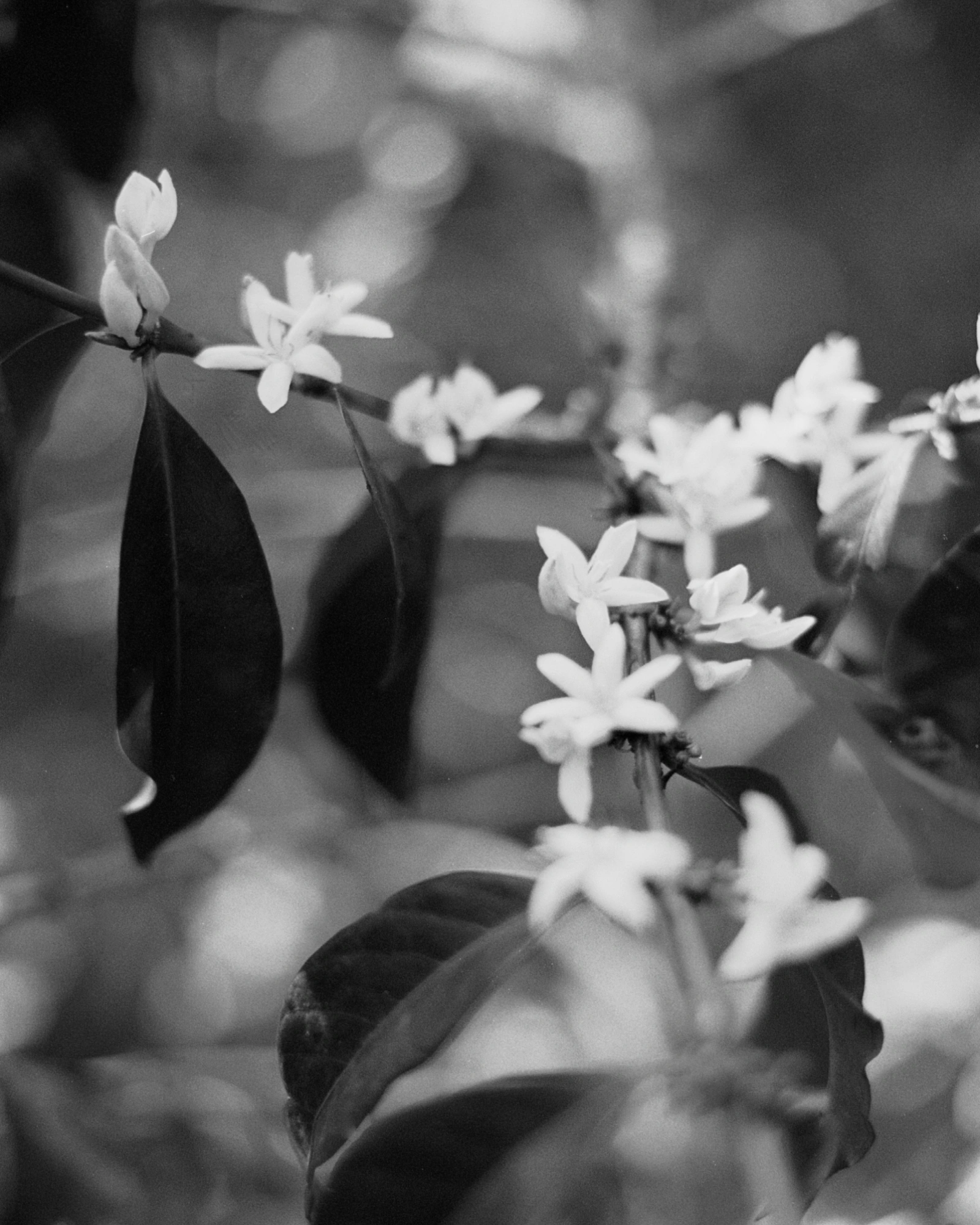
Bette Buna
Bette Buna was founded by Dawit and Hester Syoum in 2020. Hester is originally from the Netherlands; she and Dawit met while they were working together in Ethiopia for an NGO. Dawit has a long family history in coffee, having grown up in Sidamo around his grandparents' farm. His grandparents had always been seen as leaders in the community, so when they died, he and Hester took over the family farm, continuing its legacy as a safe haven for all, where all neighbours could feel at home. Hester and Dawit brought their experience in capacity building with communities across Ethiopia, and began to build Bette Buna, Amharic for 'the house of coffee', as a project to make a real difference for the community that surrounds the farm in Taferi Kela, Sidamo.
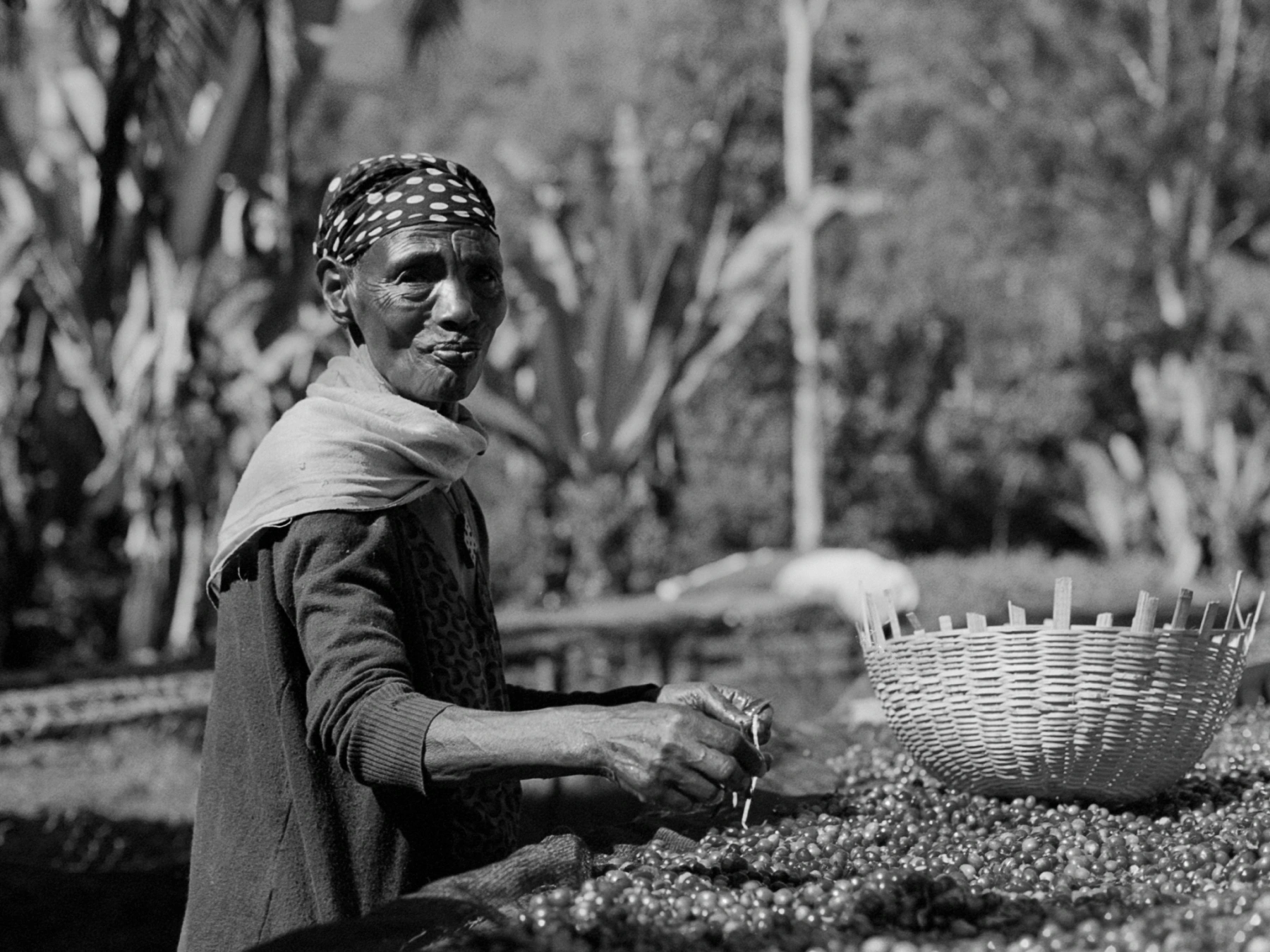
Megadu
Both of this month's lots come from Hester and Dawit's newer project in Guji, near the village of Megadu, in the Shakiso sub-region. The area is densely forested, and coffee has grown here for centuries, both wild and cultivated. Although Guji is just across the border from Dawit's home region of Sidamo, the culture here is rather different, so Bette Buna allied with two local community leaders to start their project on 220 hectares of land just outside Megadu.
Hester and Dawit currently administer 50 hectares of the land, and process coffees from the wider plot and from neighbours for export. For some community members they have built small drying facilities on their land, and organised others into groups that share a miniature drying station. Each farmer also receives training on cherry selection, quality and drying. This capacity building allows producers to take more control of their supply chain, building a more finished product and gaining access to the specialty market.

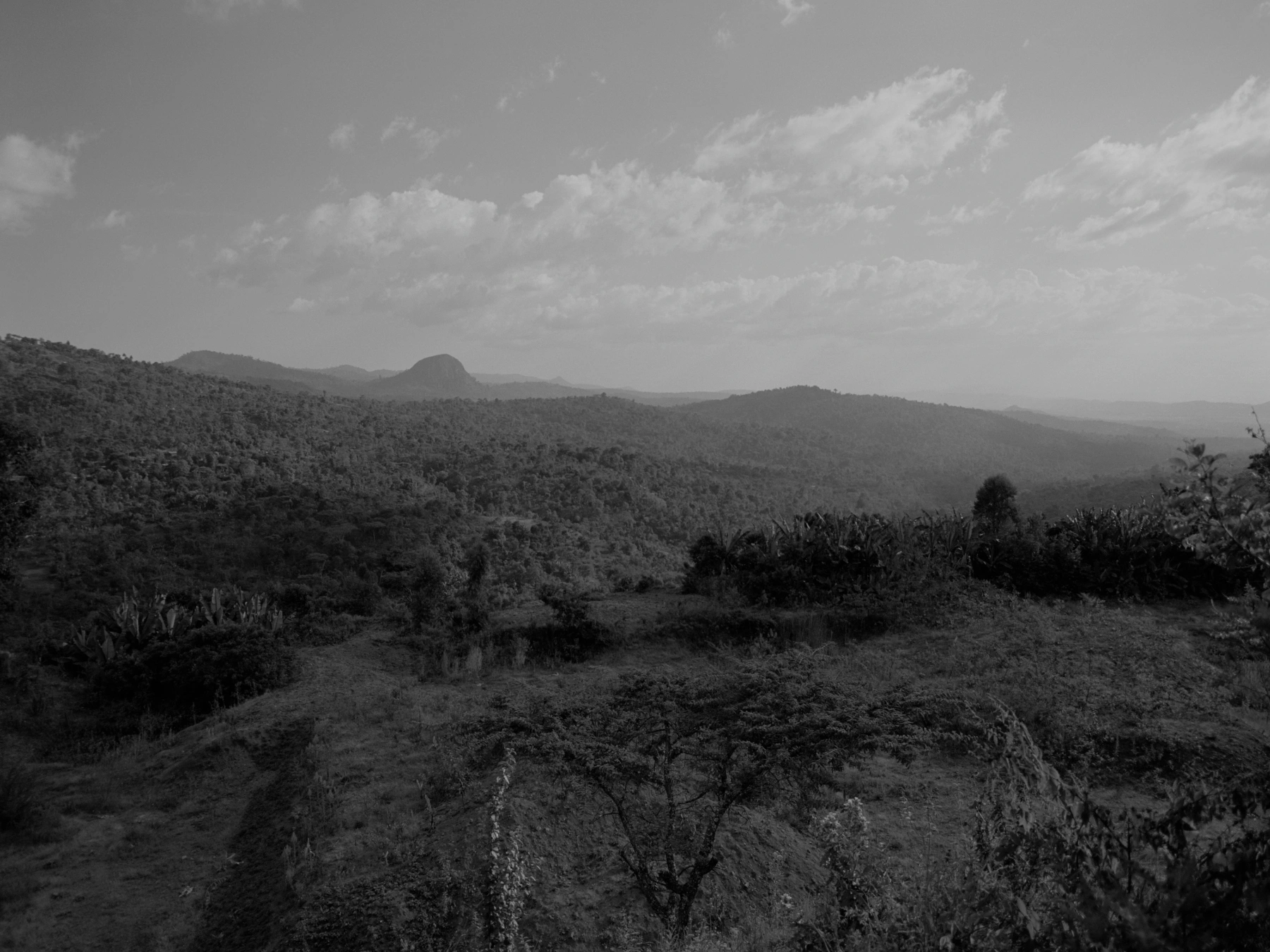
Ethiopia
In Ethiopia, coffee still grows semi-wild, and in some cases completely wild. Small producers still harvest cherries from wild coffee trees growing in high altitude humid forests, especially around Ethiopia's famous Great Rift Valley. This biodiversity leads to hardier coffee plants that don't need artificial fertilisation, meaning around 95% of Ethiopian coffee is organically grown, though most small producers can't afford certification. The absence of monoculture also protects the plants from diseases like leaf rust, which have devastated other producing countries.
This lot is composed of cherries exclusively from Hester and Dawit's farm in Megadu. They only ever experiment with processing on their own coffee, never taking risks with the work of other producers. This lot was fermented in closed tanks for 96 hours, leading to a wild interpretation of the Megadu profile: a complex aromatic profile with wild stewed fruit character, reminiscent of violet, strawberry and blackberry jam.
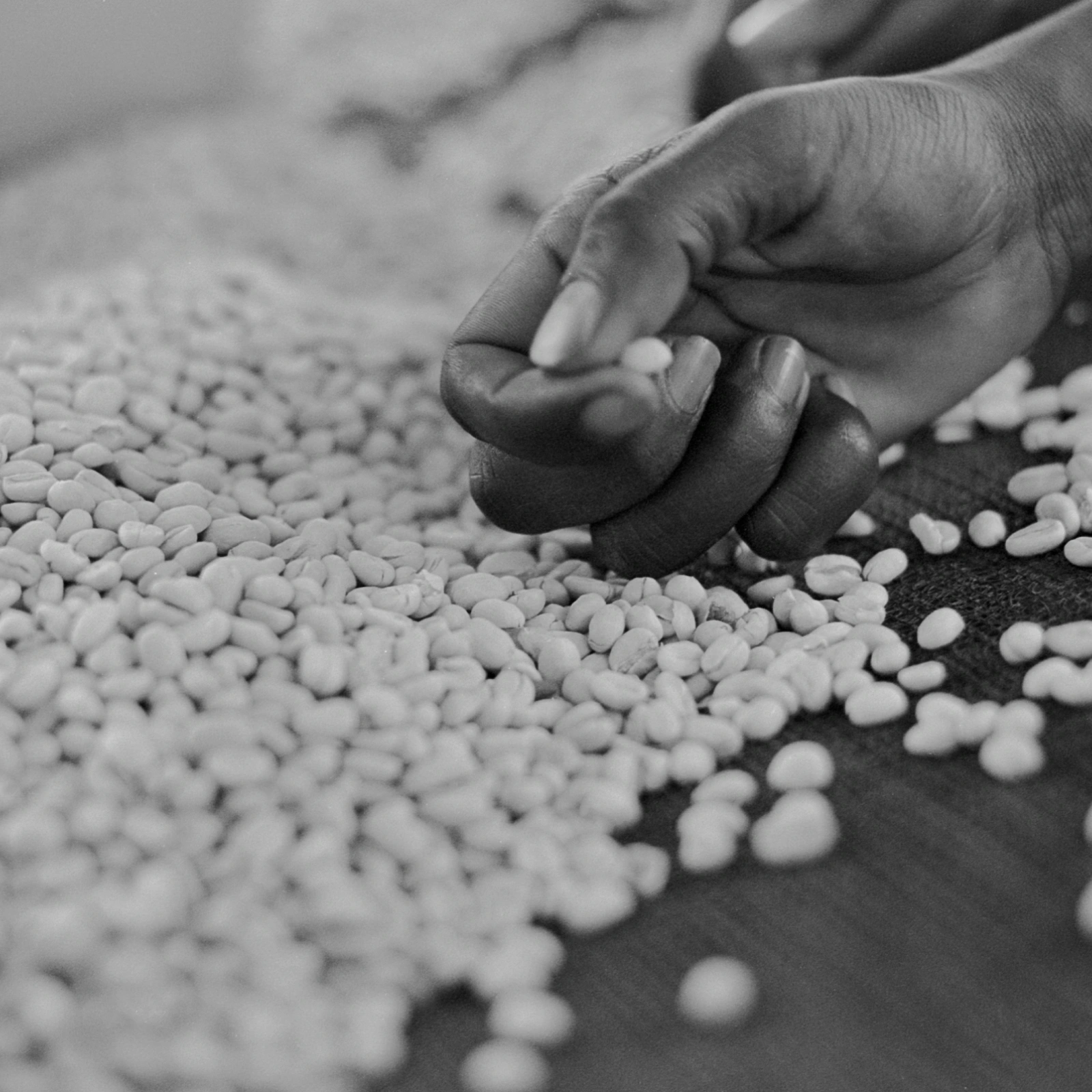
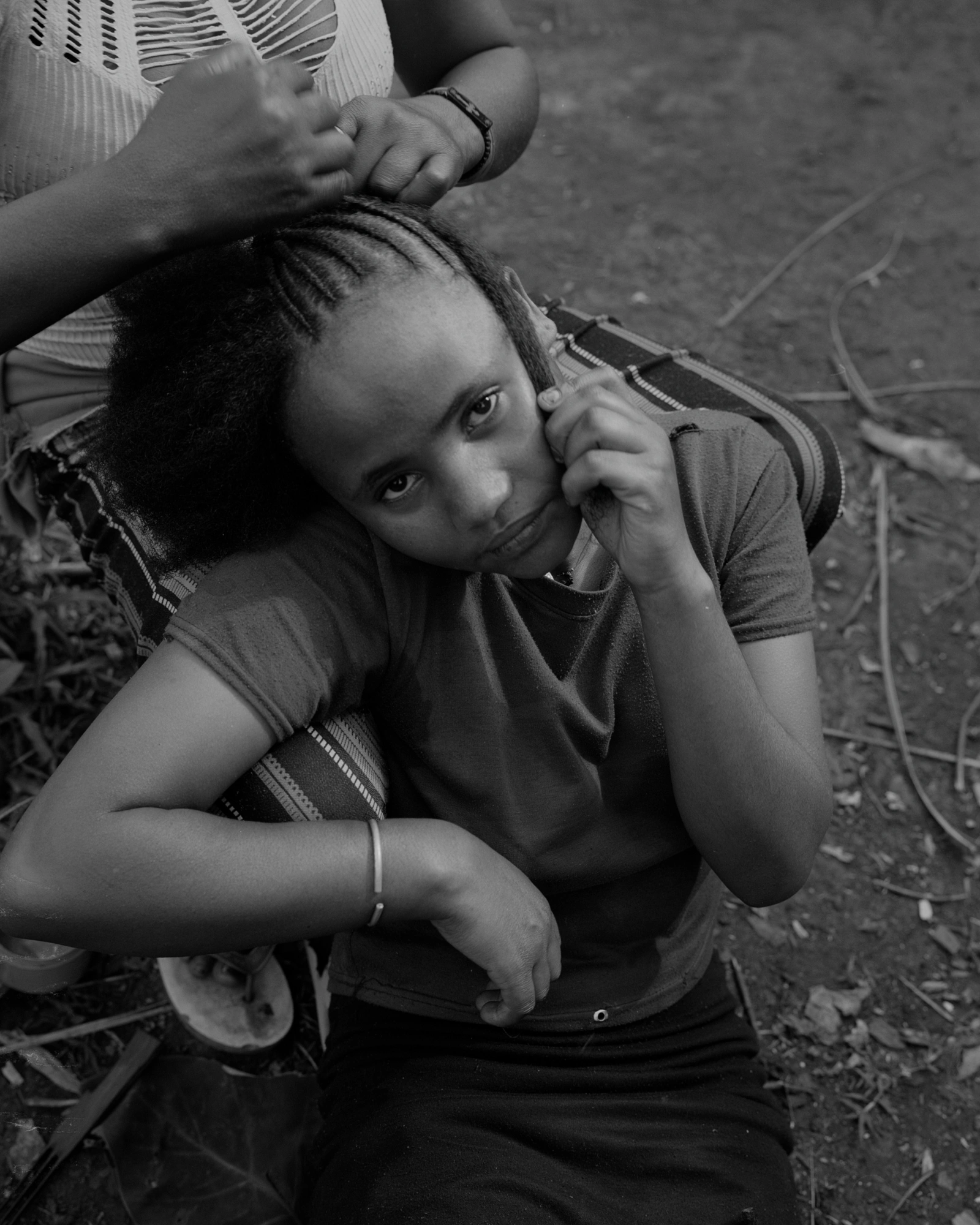
This lot is composed of cherries exclusively from the land of Saffay, one of the leaders in the Megadu community. Saffay is now able to dry coffee cherries on his own land thanks to the work he has done together with Bette Buna, producing his own high-quality lots. The result is a floral and ripe profile with brown sugar, blackberry jam and apricot notes.
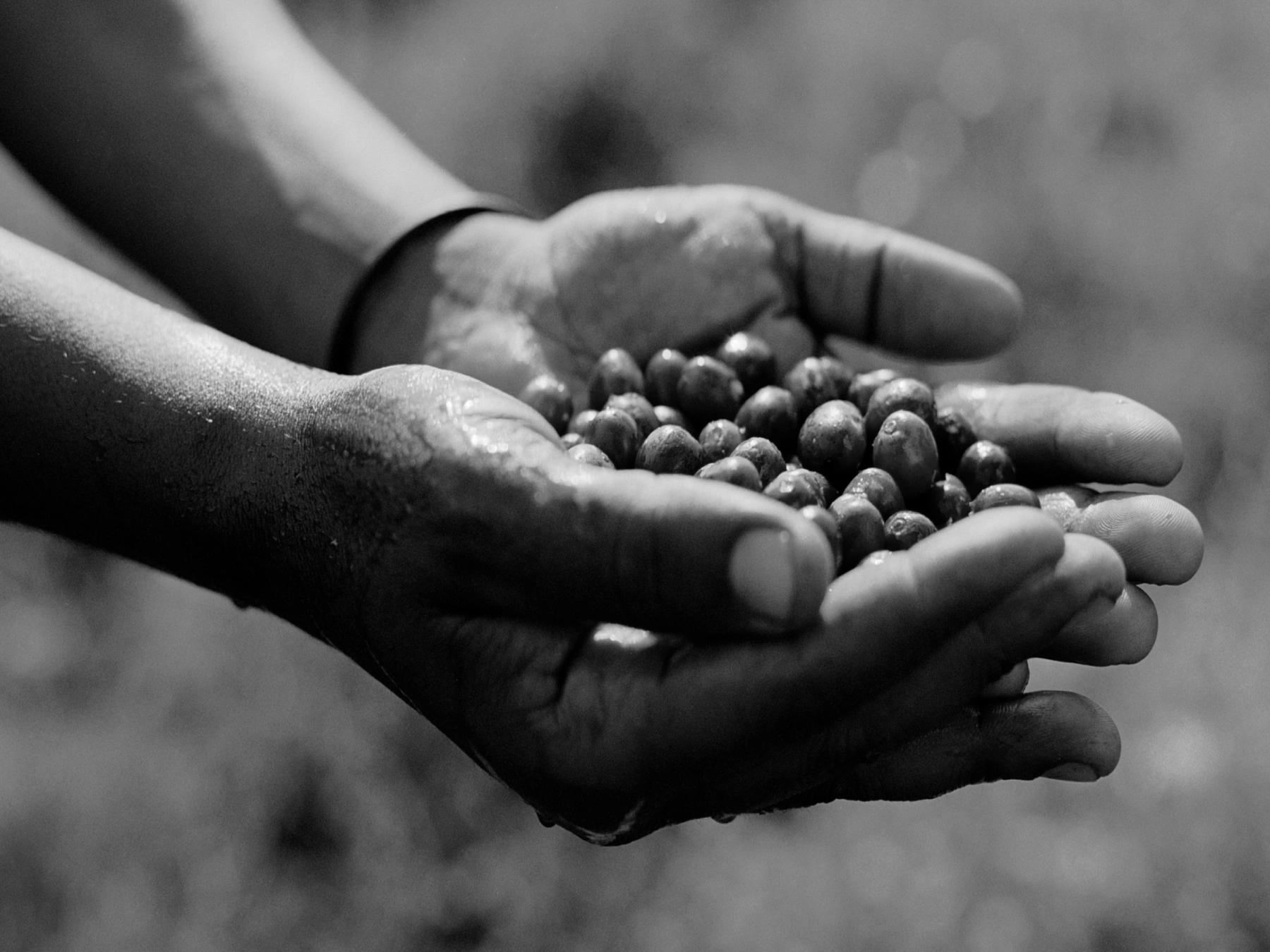
We continue to look for coffees that show what community-driven projects can achieve, and heirloom lots that reflect the depth of Ethiopia's coffee heritage. These two Megadus, one from Bette Buna's own experimental work and one from Saffay's own land, offer two very different expressions of what heirloom can do, and a small window into a project designed to make a real difference for the community around it. We're proud to share these coffees, and the work behind them.