
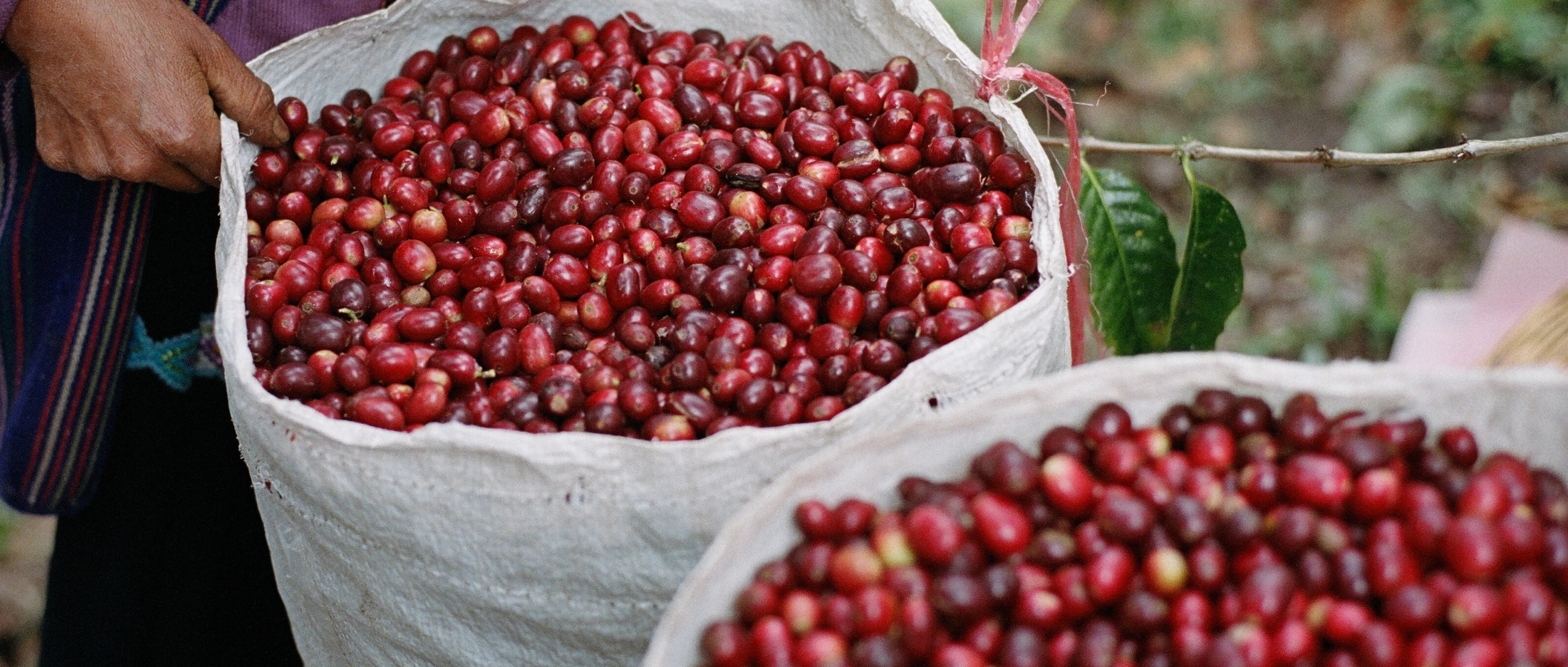
Costa Rica
This month we follow Costa Rica’s spine of volcanic mountains through its main coffee-growing regions, running north to south through the capital San José. West Valley and Central Valley lie to the north, while Tarrazú lies to the south, each with its own character shaped by altitude, soil and microclimate.
For this month’s subscription, we have selected two coffees from these regions, both from producers we return to year after year: Ricardo Perez at Helsar de Zarcero in West Valley, and Mauricio Vindas at Altos in Tarrazú, marking our twelfth consecutive year buying coffee from him.
Both lots are Catuai, a variety that thrives at Costa Rica’s higher elevations, where altitude and volcanic soils tend to produce clean, sweet cups. But each takes a different approach to processing. Ricardo’s Honey Catuai and Mauricio’s Natural Catuai offer a side-by-side look at how processing methods shape the character of the same variety.
Helsar de Zarcero
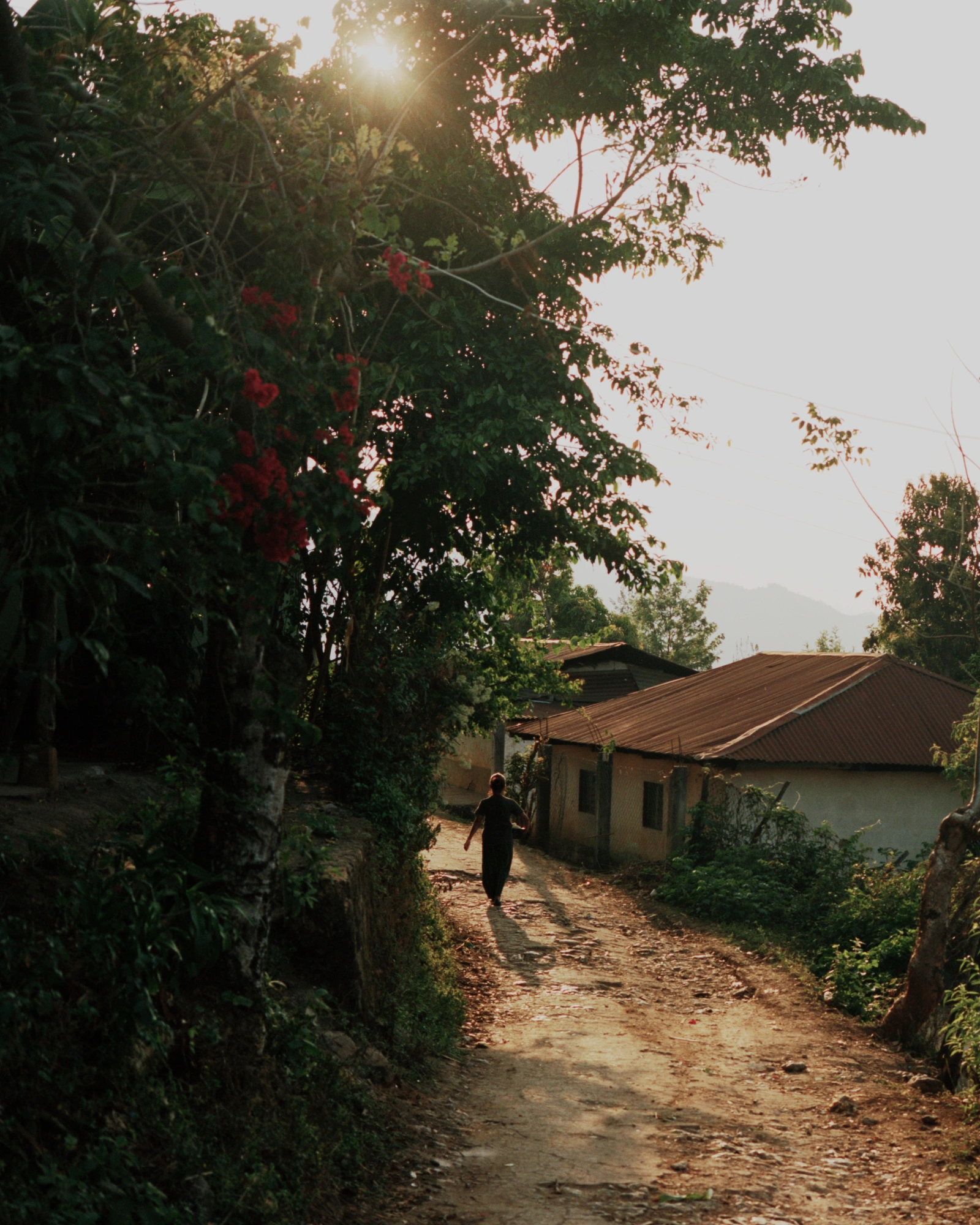
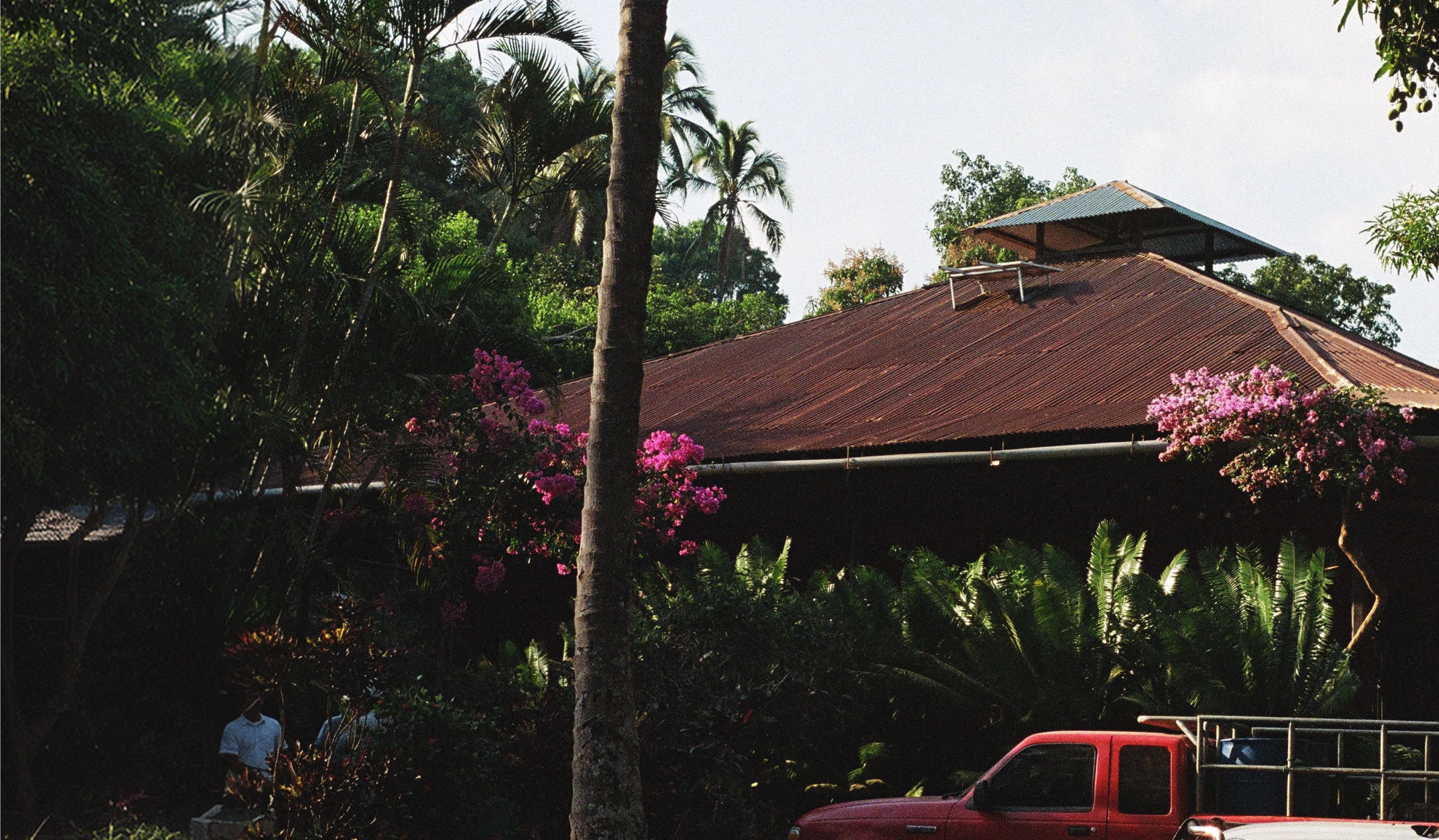
The Helsar de Zarcero mill processes coffee for a group of neighbouring farms around the village of Llano Bonito, sitting at 1700 masl in Costa Rica’s West Valley. Ricardo Perez, owner of Helsar, splits his coffees into three tiers. The first is Helsar, a micro-regional blend from all the contributing farmers, mainly Catuai, that reflects the Costa Rican terroir: sweet, clean and often with a rich hazelnut finish. The second tier gives more traceability, often from single producers in the region with specific varieties and processing. The top tier is reserved for coffees from Ricardo’s own plot, Santa Lucia, that neighbours the mill. This lot is an example of the top tier.
Honey Catuai
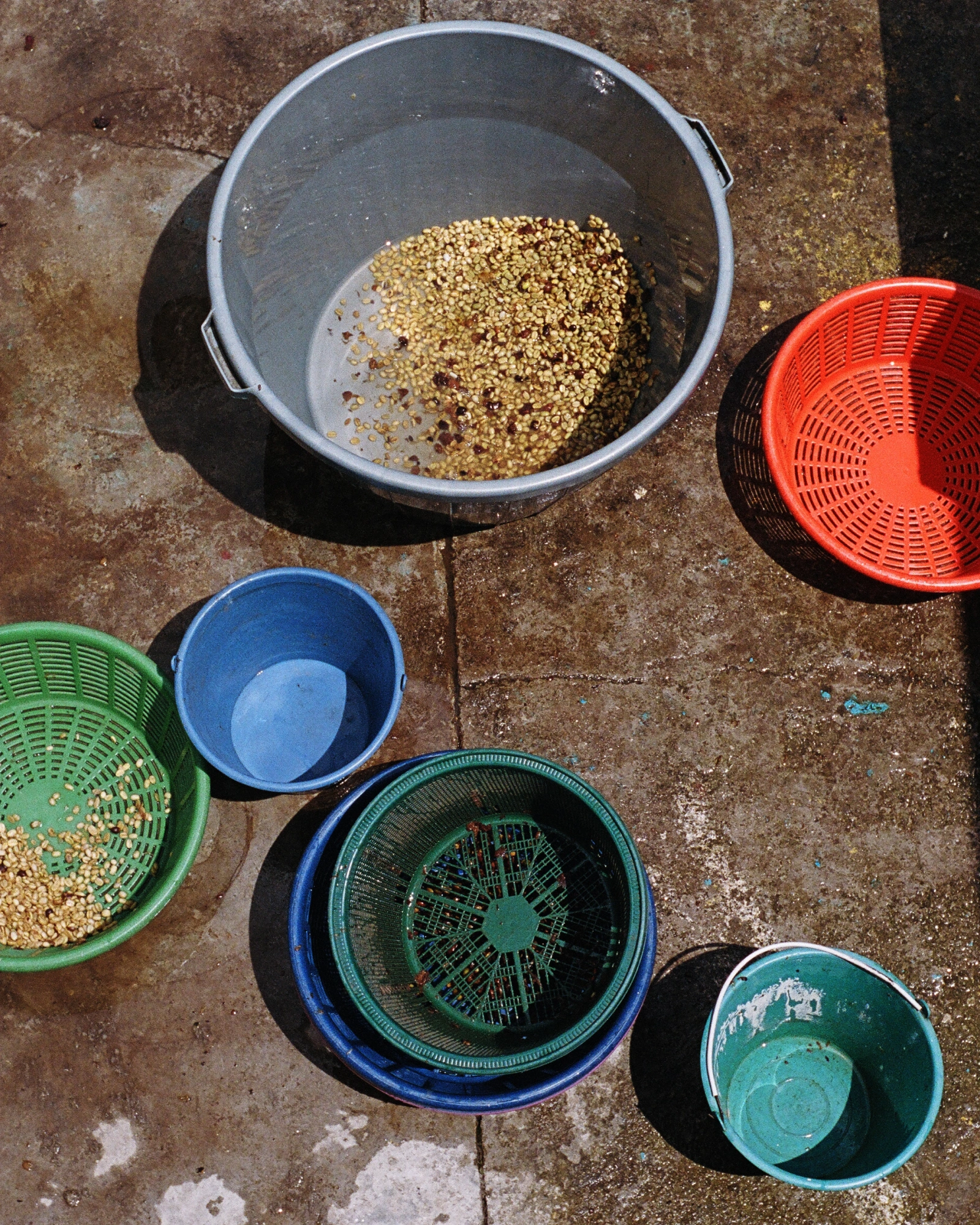
This lot of Catuai was processed using a honey method, removing as much mucilage as possible to create a ‘white’ honey. This aims for a bright and fresh flavour profile, showcasing the intensity of sweetness that the variety has to offer. The result is a sugary sweetness underpinning bright citrus acidity and a hazelnut finish.
Altos
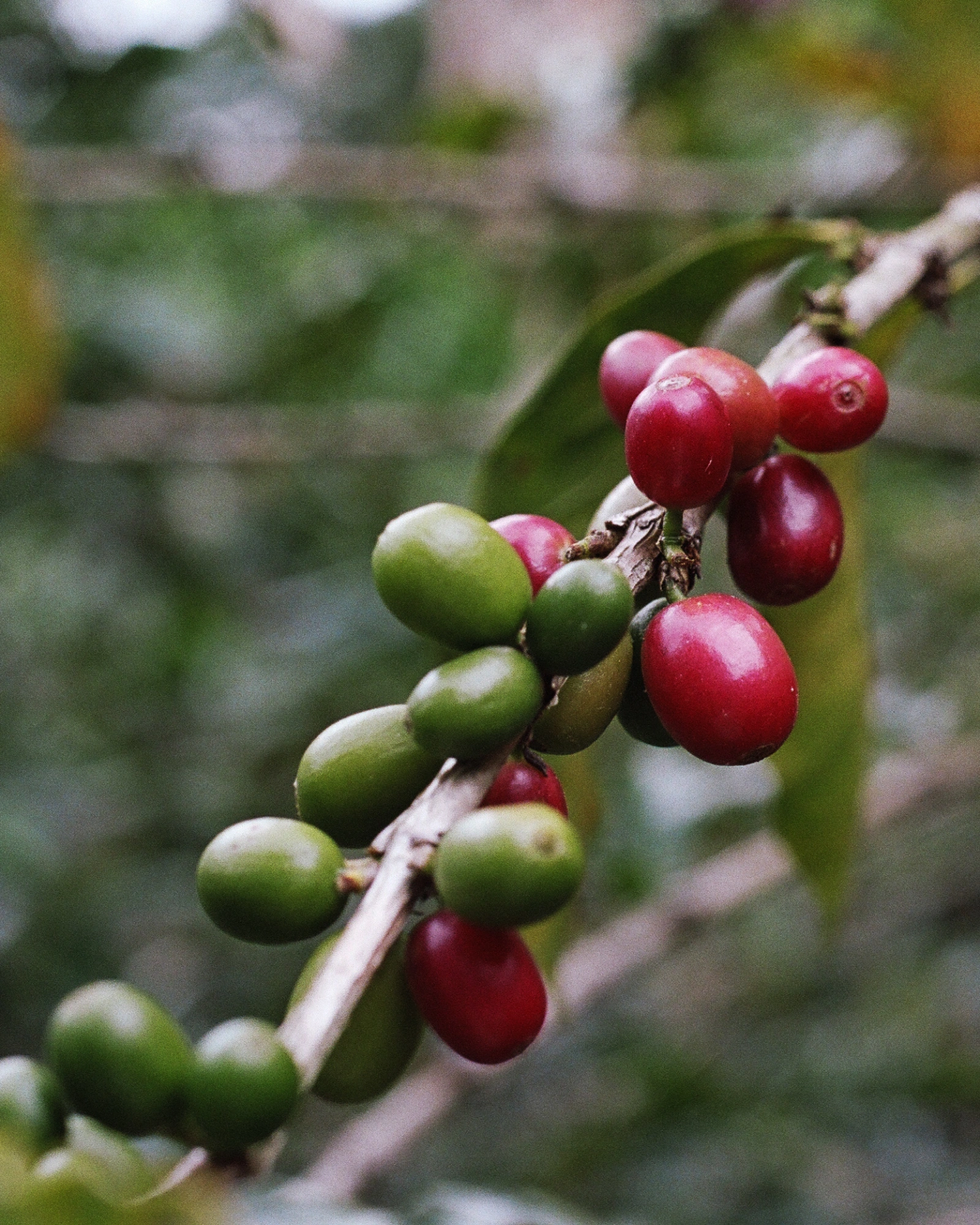
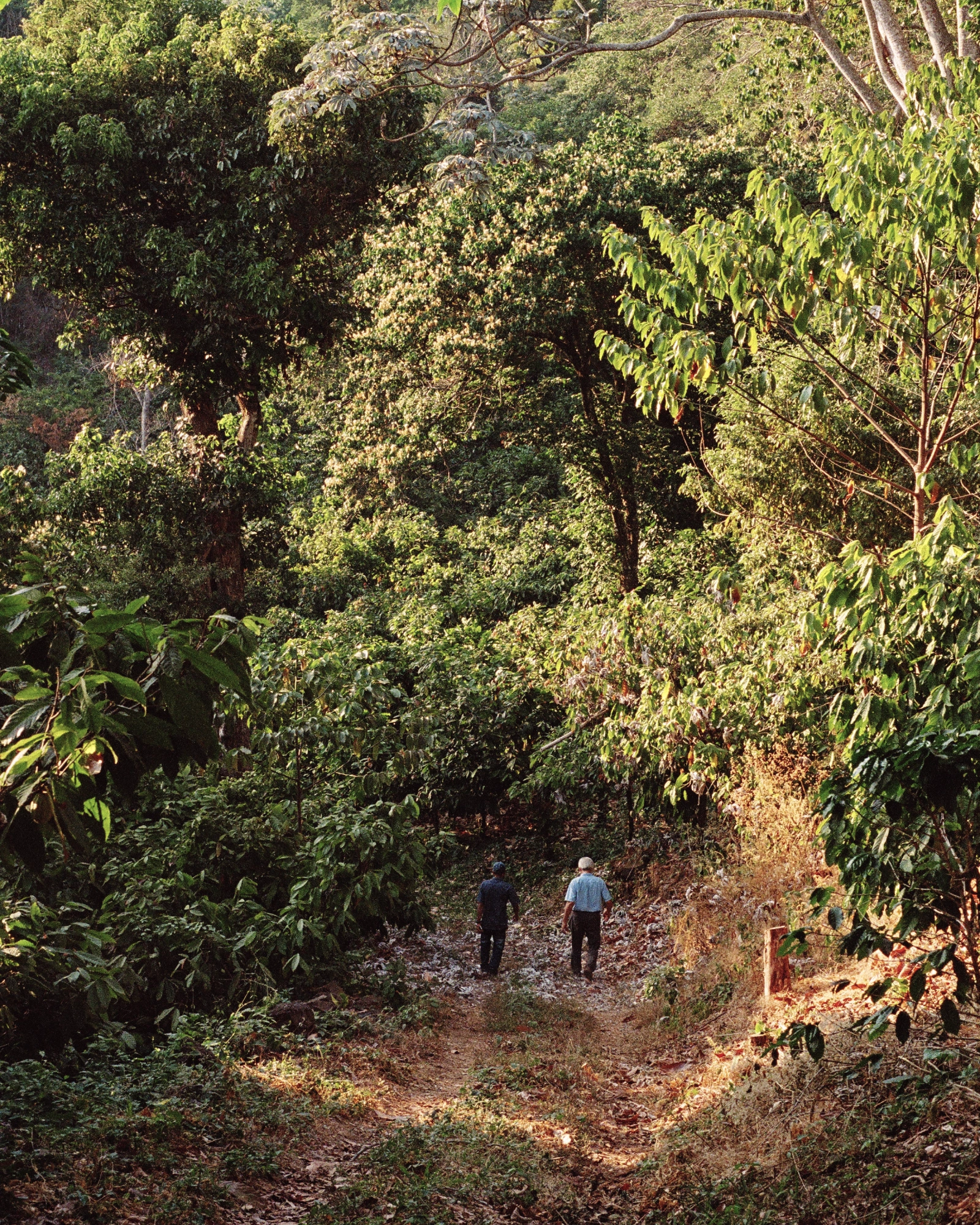
Altos del Abejonal sits at 1800 masl in the Tarrazú region, 70 kilometres south of San José. The volcanic soil and afternoon cloud cover here create good conditions for coffee. We first met Mauricio by chance. In March 2014 we were in Tarrazú as guests of Exclusive Coffees, when our driver had to stop by a friend’s house. His friend’s son had broken his hip and couldn’t leave home, so the driver dropped off a gift while we got talking with the father, who turned out to be a coffee producer. We visited Altos the next day and bought our first bags. 2026 is our twelfth year buying from Mauricio. In 2023, we cupped through Altos day lots in San José with his son Mauricio Jr., now a qualified cupper who takes responsibility for processing at the farm, and in 2024 Junior visited us in Copenhagen, touring our roastery and coffee shop.
Natural Catuai
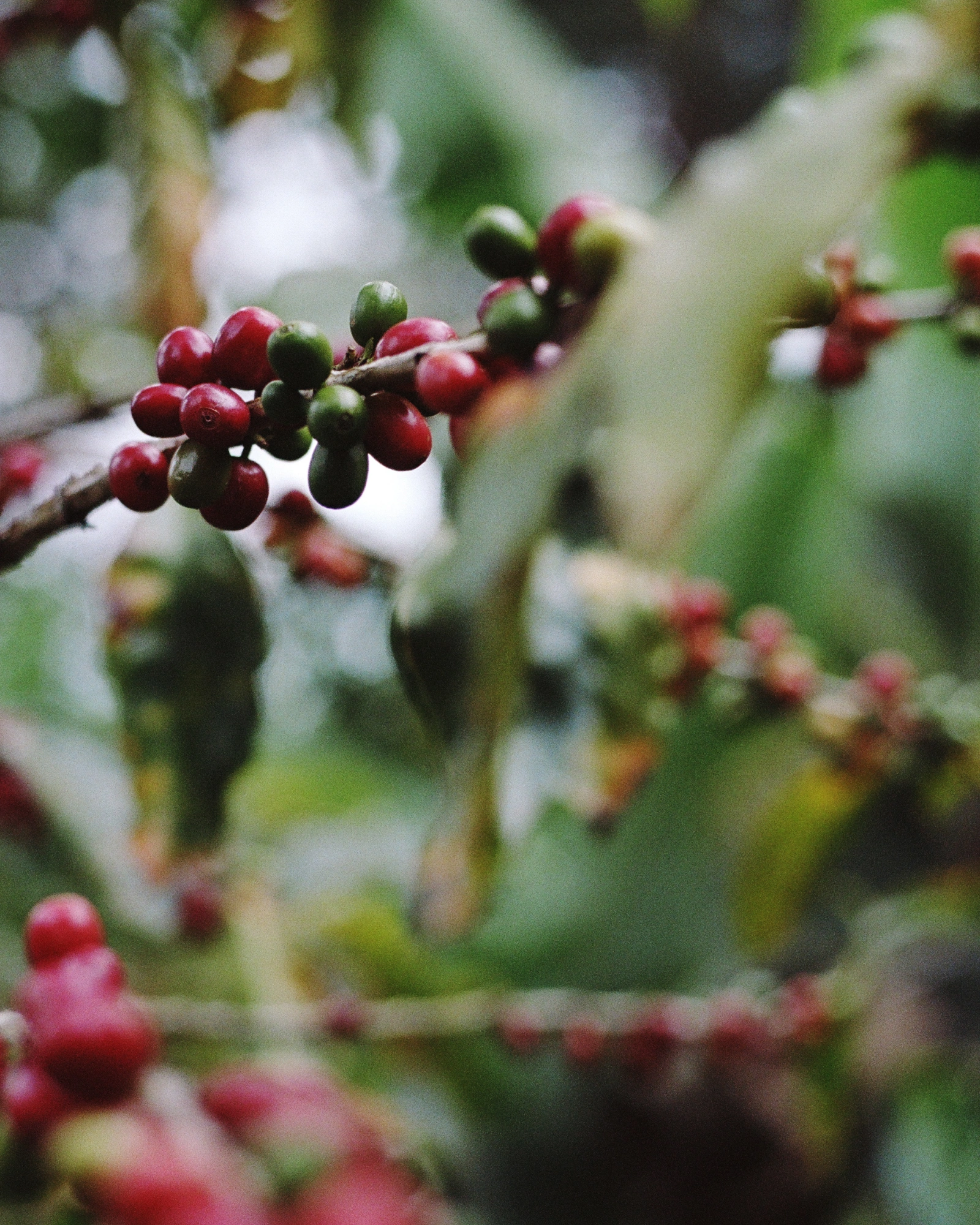
Where Mauricio really stands out is in processing. This is his naturally processed Catuai, the coffee that first led to our relationship with Altos. Ripe Catuai cherries are dried on raised beds over 21 days, turned often to avoid over-fermentation. This adds a controlled level of ferment character to the cup, just enough to reveal a character of ripe blueberries, a high syrupy sweetness and a finish with notes of milk chocolate and hazelnut.
Deep roots, lasting bonds
We return to Costa Rica for the depth of its coffee tradition and to the long-term partnerships that have shaped our sourcing here. Working with Mauricio and Ricardo over the years lets us trace the growth of their farms, the development of younger generations like Mauricio Jr., and the slow refinement of processing styles that make their coffees recognisable from one year to the next.
These two Catuai lots, one Honey and one Natural, show how two producers can take the same variety in different directions, reflecting both the depth of Costa Rica’s coffee tradition and the people who continue to shape it.