
At El Mirador, Antonio Medina has spent decades building a farm from a small plot of land inherited from his father. Having worked on other farms from a young age to learn the trade, he planted his first coffee trees in 1991, and El Mirador has taken shape from there. Further south, in El Salvador, Andres Acosta continues a family tradition spanning six generations. The Ariz-Herrera family has been producing coffee in the region since 1875, and Finca Nazareth remains in their hands today.
The two farms sit at similar altitudes and share a close connection to the land, but their histories and approaches are quite different. Together, they offer two perspectives on how family and tradition continue to shape coffee growing in Central America.
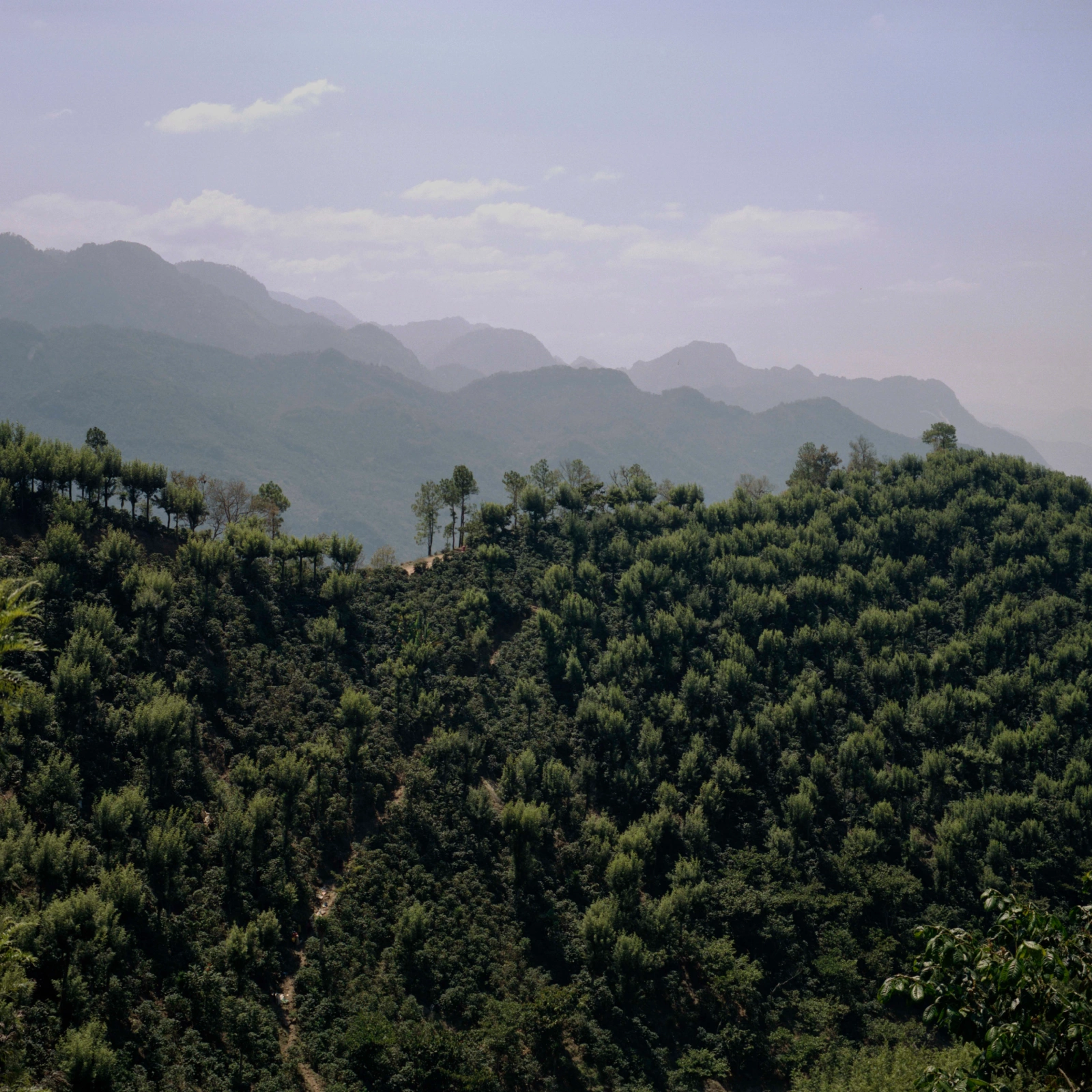
El Mirador
El Mirador sits at 1700 masl in Antigua, in the Chimaltenango department of Guatemala. The farm rests on clay soils beneath the shade of Inga trees, with annual rainfall of around 1400 mm and temperatures between 16 and 23°C.
In the beginning, Tony planted only basic grains like corn and beans on the plot he had inherited from his father, but a coffee farm had always been his dream. In 1991, he planted his first coffee tree at El Mirador, and he has been growing the farm ever since.
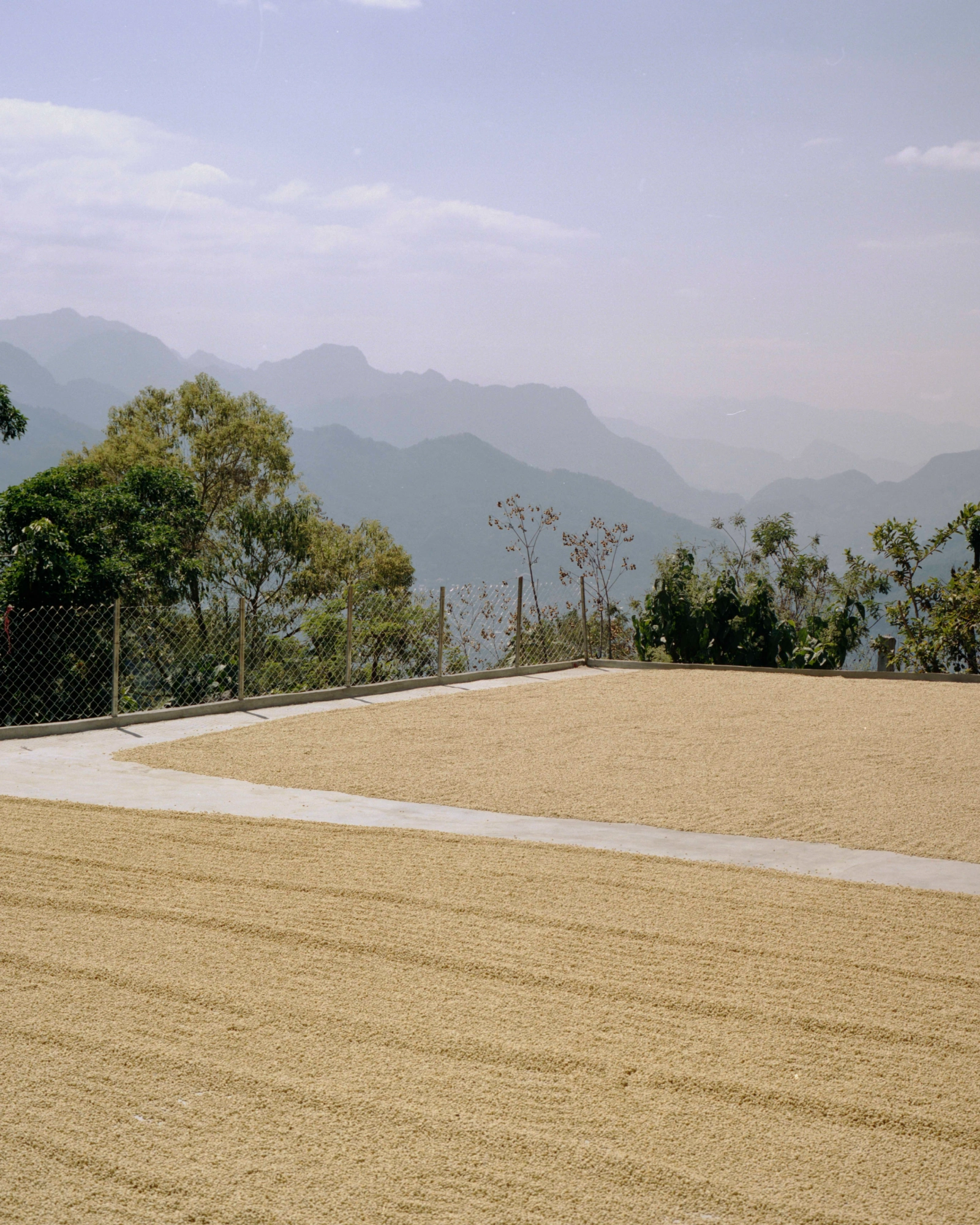
Washed Pacamara
Cherries are carefully picked at peak maturity and transported to the wet mill on the same day. There they are depulped and left to undergo a 32-hour dry fermentation, which works particularly well for this lot. The coffee is then washed and dried on the patio for 10 days, with frequent turning for even drying. This lot has a floral and spicy character, complemented by notes of melon, orange and lemon grass.

Andres Acosta
For more than a century, the Ariz-Herrera family has brought sustainability, social responsibility and employment to the communities around the farm in Concepción de Ataco and Apaneca. Their commitment also led to the founding of FUNDATACO in 1991, a foundation they co-created to help children from the region join soccer schools and pursue athletic opportunities and scholarships.
Finca Nazareth itself lies within the Apaneca-Ilamatepec Biosphere Reserve, designated by UNESCO in 2007. The reserve encompasses forest and coffee plantations, grasslands and agricultural land, providing habitat for 12 endangered plant species, 58 threatened species and 12 endemic species of birds and other wildlife. Nearly 4,000 hectares are protected natural areas, while another 39,500 are shade-grown coffee plantations that connect the protected zones and form part of the Mesoamerican Biological Corridor.
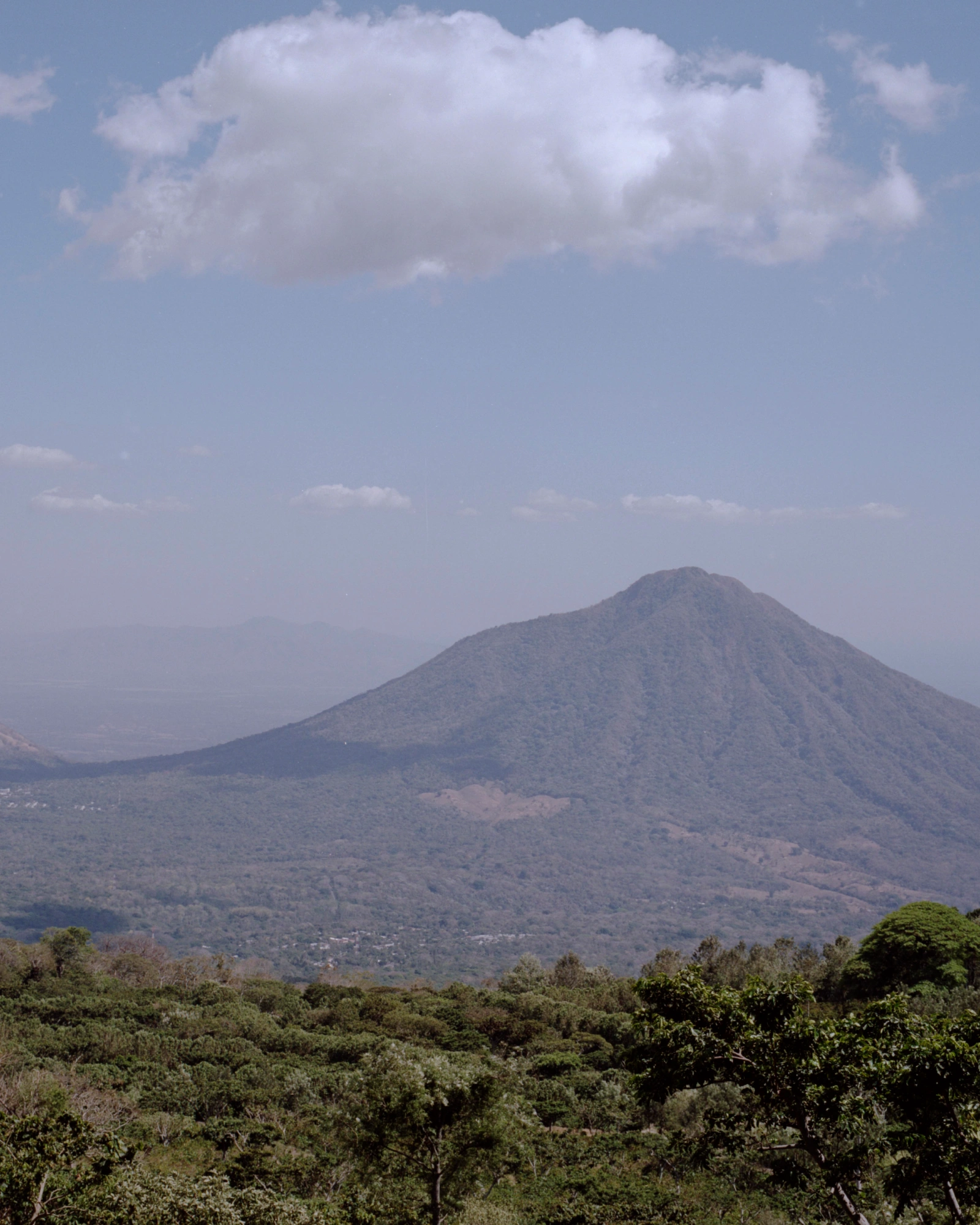
Natural Typica
Finca Nazareth sits at one of the highest points in the mountain range, with growing elevations between 1500 and 1650 masl and clay loam soil. For this lot, Typica cherries were hand-picked at peak ripeness, hand-sorted and processed at the family mill in Concepción de Ataco. The cherries were first floated to remove defects before fermenting for 24 hours in stainless steel barrels. They were then dried in direct sunlight for four hours before being moved to shaded drying beds, where they dried for a further 30 days.
The result is a silky cup with notes of cacao, hazelnut and cherry, complemented by milk chocolate and brown sugar sweetness, and berry-like acidity.

Two takes on Central America
Together, El Mirador and Finca Nazareth offer two distinct expressions of coffee growing in Central America. From the farm Tony Medina has grown from inherited land to the Ariz-Herrera family’s generations of coffee production in El Salvador, both lots reflect a lasting connection between people, place and the work of growing coffee. This month’s selection brings these different histories together in two cups shaped by their respective farms, varieties and processing methods.