
Long Miles was established in Burundi in 2013 by Ben and Kristy Carlson, and originally sought to increase the quality and stability of life for several thousand smallholder farmers in the Kayanza region of Burundi. Since then, they have expanded their work into Kenya, in the west near Mount Elgon, and into Uganda, in the remote Rwenzori mountains. For now though, the focus is on their original project in Burundi, where we have been purchasing for over a decade.
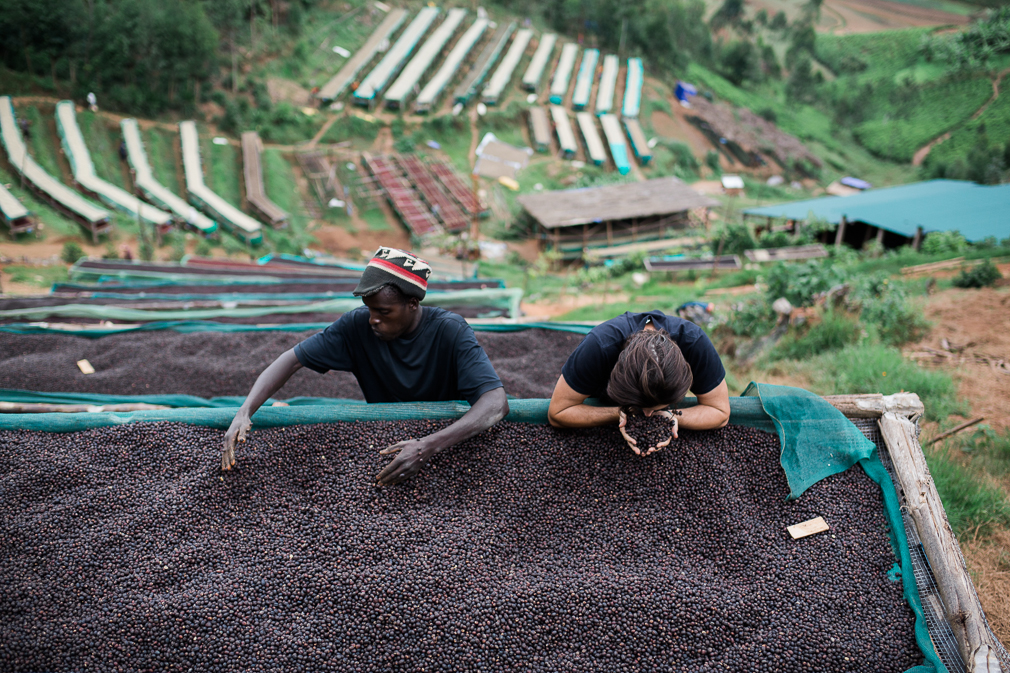
As many long term subscribers will remember, producing and exporting coffee in Burundi is never easy, and the last few years have been particularly difficult. Due to the cyclic nature of the harvest here, this year has seen a lower production. The team in Burundi had less room for experimentation this year, producing mainly traditional washed and natural coffees. Quality has remained at an excellent level, thanks to the Long Miles team’s tireless work at each of the stations.
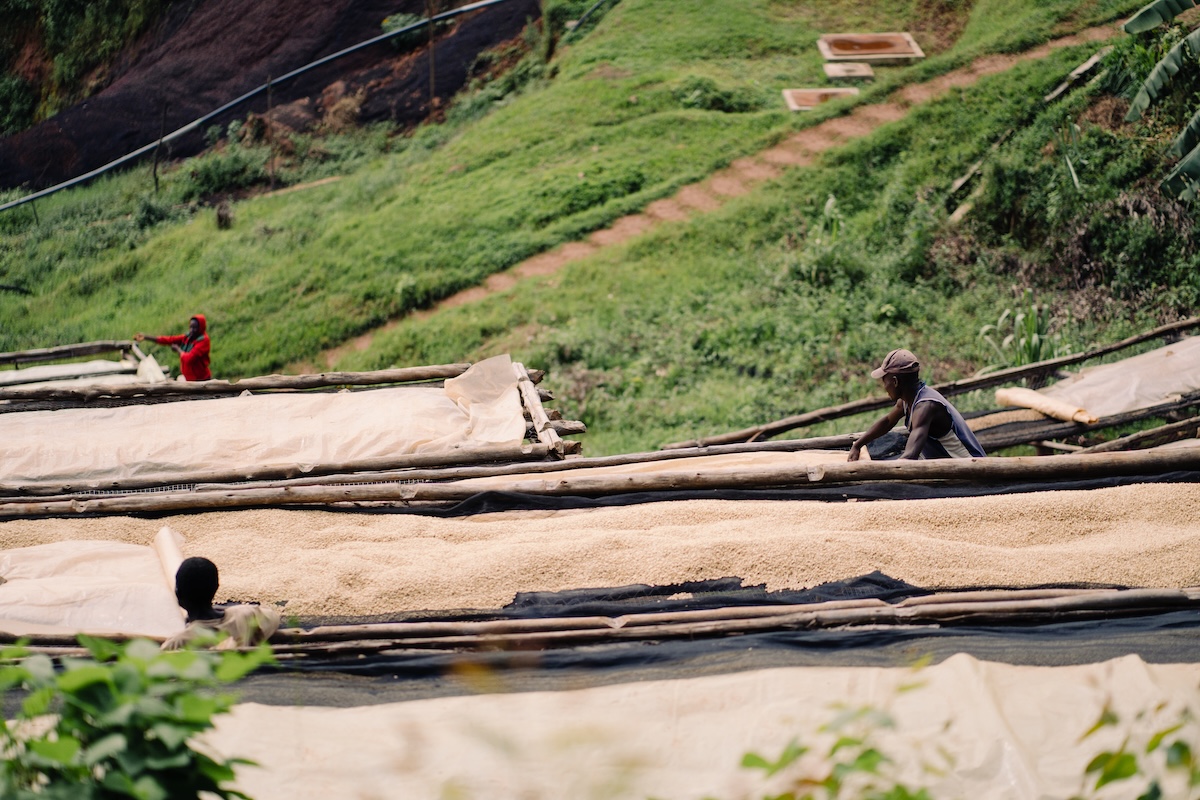
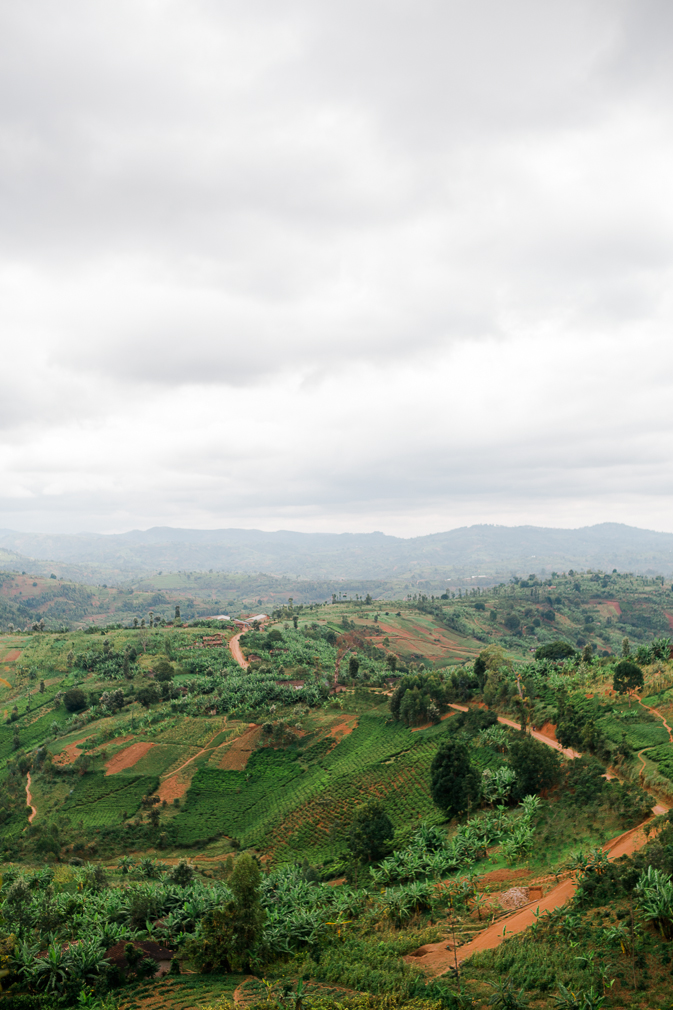
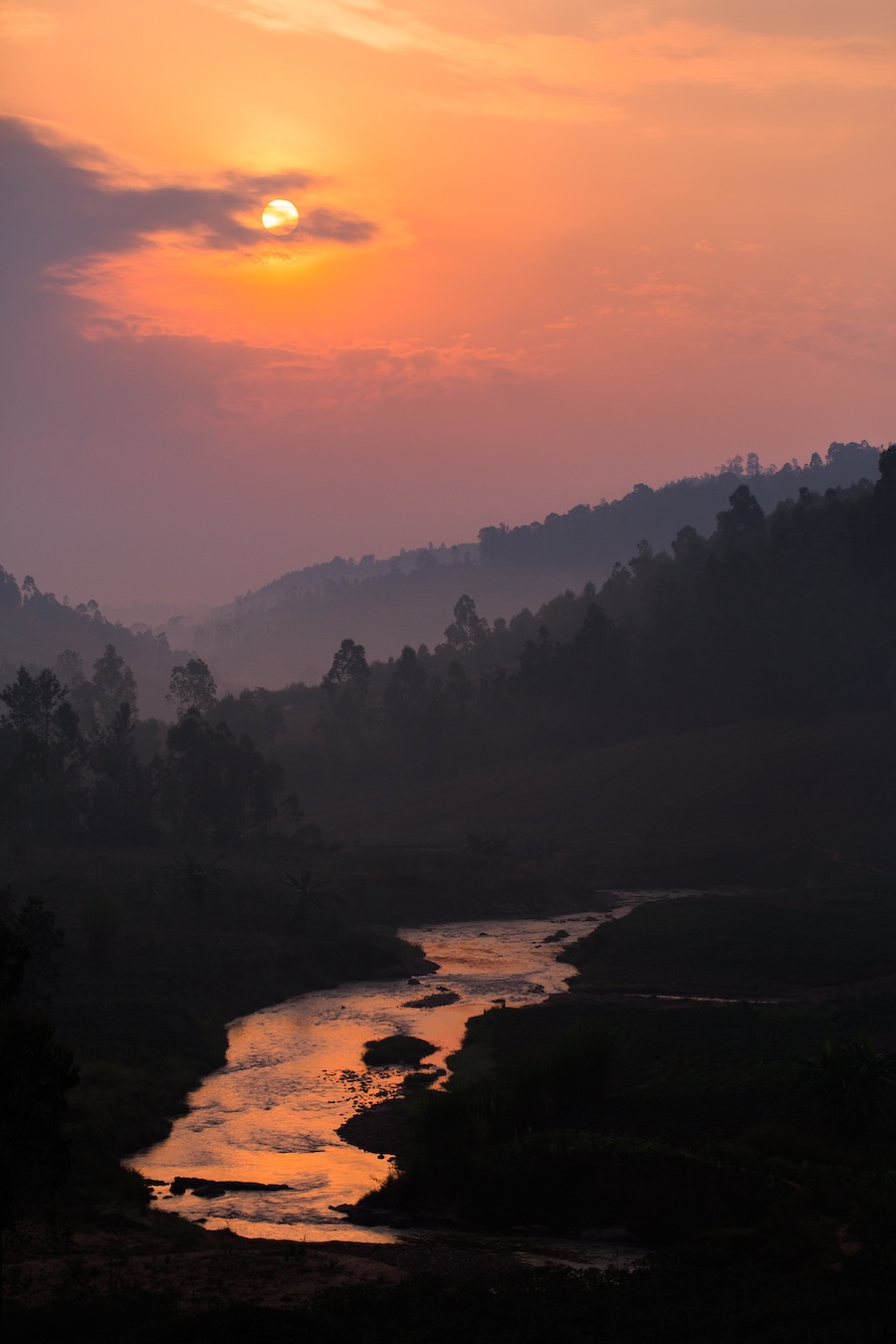
The hills of Mutana are a never-ending tapestry of green, possessing breathtaking panoramic views.
The edge of the Kibira Forest is only a couple of kilometers away, allowing cool mists to fall onto farmers’ fields daily, slowing cherry maturation. The fertile sandy soils of Mutana seem to grow everything; nitrogen-fixing peas and beans, passion fruit and tea are all grown alongside coffee. Coffee farmers from the Gitwe hill deliver to Long Miles’ Heza station.
Heza sits at 1960 masl, so harvest normally starts around two weeks later here than at the lower altitude Bukeye station. This altitude here leads to similar impressive views over the Kibira forest, all the way to Rwanda. These views give Heza its name; ‘beautiful place’ in Kirundi. Heza was built in January 2014, and now serves nearly 2,000 individual farmers. Heza also helps local farmers by supplying trees from a coffee tree nursery with over 15,000 seedlings.
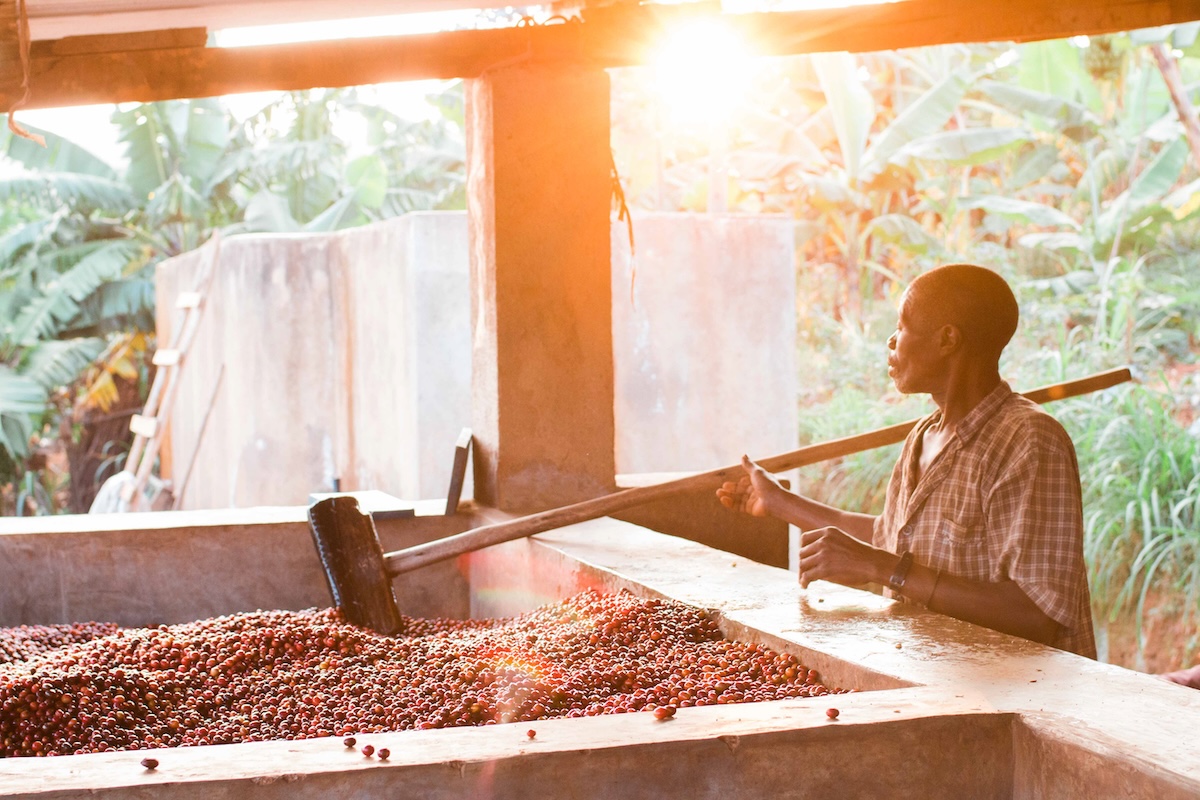
Heza uses a double fermentation process, where the cherries are first de-pulped and fermented without water for around 12 hours, before water is added and the coffee is soaked for a further 12 hours. After this, the coffee is ‘footed’ to wash away the sticky mucilage layer attached to the outside of the coffee seed. This involves the workers stomping on the coffee in the tanks before it is moved to washing channels to be rinsed in clean water. Coffee is then dried slowly on raised beds over 20-30 days, depending on weather conditions.
This careful processing, along with excellent conditions on the Mutana hill, has resulted in an excellent example of Burundian coffee, with a complex character of redcurrant, apricot and rooibos tea.
This is only the second year we have released coffees from the Bumba hill.
Coffees from Bumba are processed at Long Miles’ most recent station, at Ninga. The new station has allowed Long Miles to expand their presence in the region, discovering new sources of excellent quality coffee.
Bumba is one such example of the remoteness of the Ninga region, far from the reaches of electricity or running water. Coffee is the most important cash crop here, grown alongside a small selection of food crops for local consumption. This incredibly remote nature of the region surrounding Ninga meant that access to the Long Miles eco-system of support was limited. With the completion of the new Ninga station, this changed, giving farmers full access to the Long Miles ‘Coffee Scout’ programme of agronomic support, and to fair and transparent pricing for the cherry they deliver.
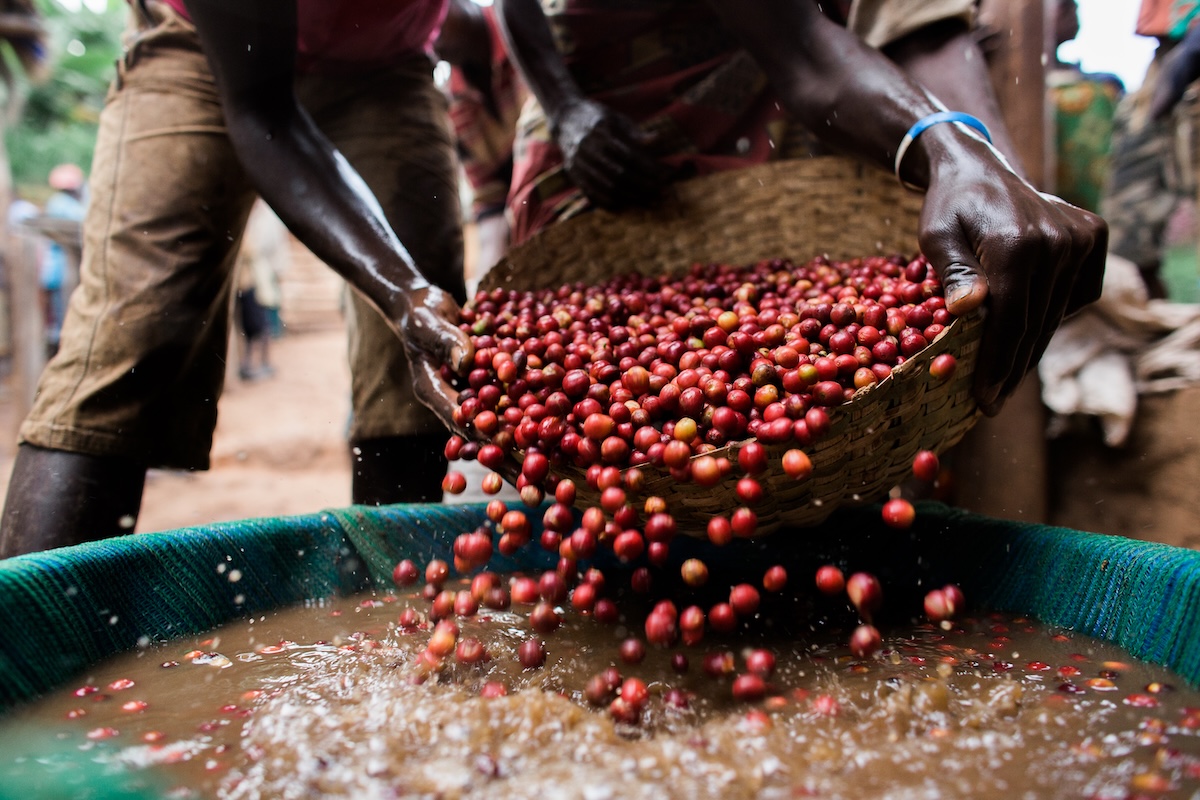
This lot was first de-pulped, before an anaerobic fermentation of 48 hours in sealed plastic tanks. The process then continues in Long Miles’ traditional washed protocol.
The anaerobic pre-fermentation of this lot leads to a character of crisp raspberry, deep molasses and a delicate black tea finish.
We are truly proud to be able to share Long Miles’ work with so many of you again this month. Their work in creating traceability and separation in high quality lots has led to many memorable coffee experiences over the years, and their work in new countries expands their model of quality and fairness to a whole new generation of producers.