


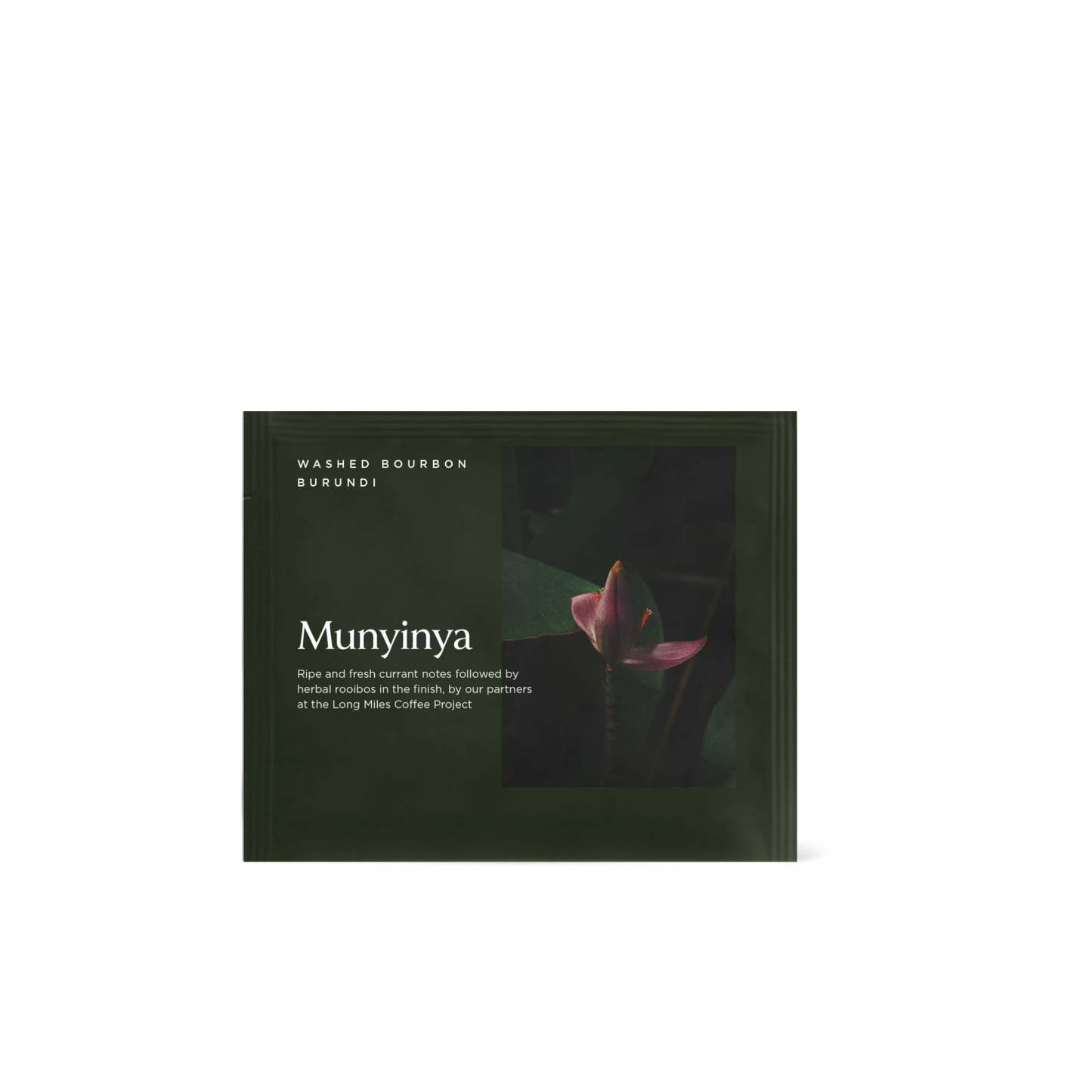
The technology
Single Serve bags are a simple and elegant way to present a selection of the coffees we find most exciting, removing many brewing variables, and allowing quality and character to shine. Individual doses are ground and sealed in nitrogen-flushed packages, maintaining the clear aromatic character of freshly ground coffee, for over a year after roasting. Just add filtered water to enjoy one of our picks of the season.
The Long Miles Coffee Project
The Long Miles Project, founded by Ben and Kristy Carlson, began work in 2013, aiming to raise the bar of specialty coffees coming out of Burundi. The project works with more than 5,000 individual coffee farmers living near three central washing stations, Bukeye, opened in 2013, Heza, from 2014 and Ninga, which had its first harvest in 2020. There are several reasons why producing speciality coffee in Burundi is an incredibly difficult task.
There’s the incredibly unstable political situation, where government can change rules on coffee prices and value chain seemingly overnight, the practical challenge of being a small landlocked country attempting to export coffee by sea freight, the constant threat of unrest. But through it all the Carlson family have managed to establish themselves as producers and exporters of consistently delicious coffees, all the while providing some semblance of stability to the lives of smallholder farmers that surround their washing stations in the northern Kayanza Province, near the border with Rwanda.
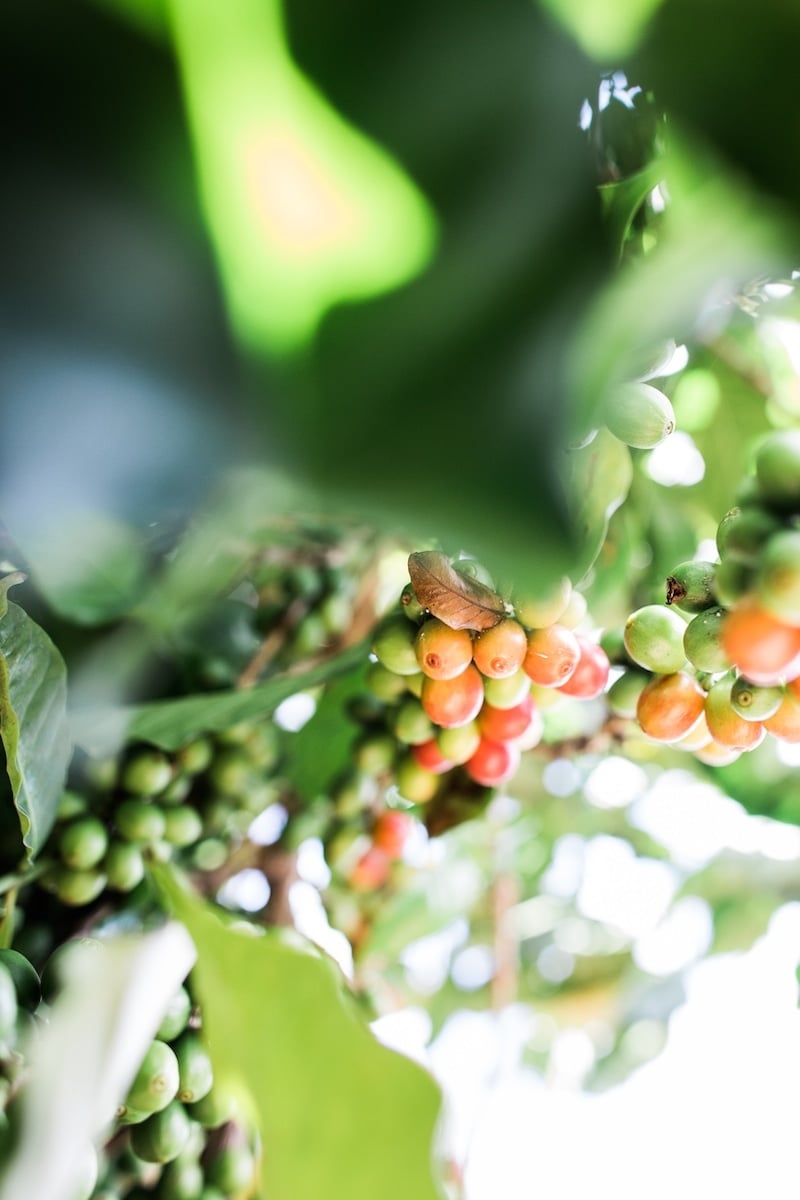
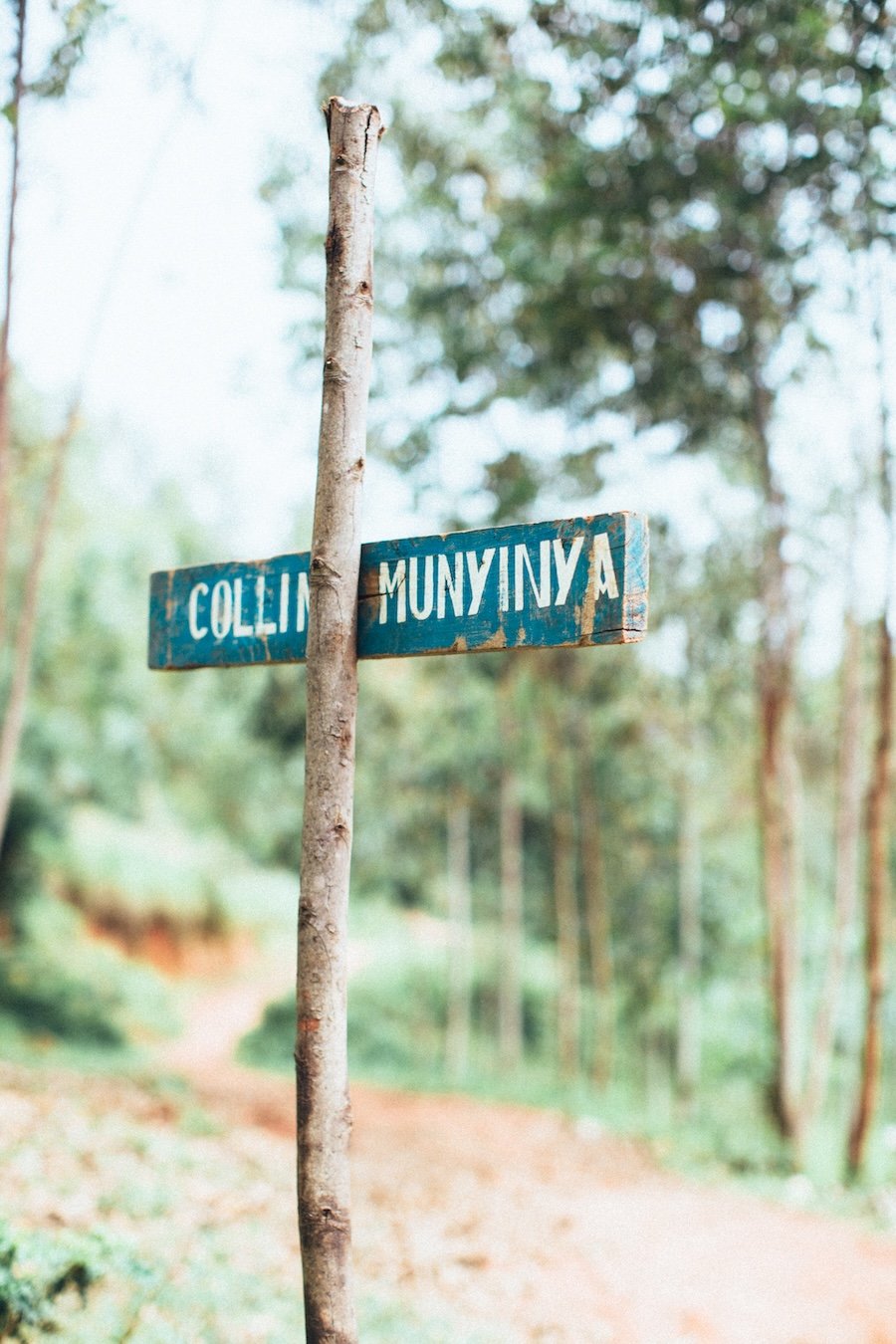
This washed lot is composed of cherry from the Munyinya hill, the birthplace of the Long Miles project. This was where Long Miles first discovered the potential of Burundian coffee, tasting stellar lots, and sparking the idea of the project. Farmers on Munyinya deliver to the Bukeye station, Long Miles original station built in 2013.
Bukeye uses a double fermentation process, where the cherries are first de-pulped and fermented without water for around 12 hours, before water is added and the coffee is soaked for a further 12 hours. After this, the coffee is ‘footed’ to wash away the sticky mucilage layer attached to the outside of the coffee seed. This involves the workers stomping on the coffee in the tanks before it is moved to washing channels to be rinsed in clean water. Coffee is then dried slowly on raised beds over 20-30 days, depending on weather conditions.
This careful processing, alongside the excellent conditions on the Munyinya hill, result in crisp and ripe redcurrant jam followed by a clean and herbal rooibos finish.
-
El Turpial - Single Serve
Retail bundle (six units), Single unitRegular price From Kr. 29,00 DKKFrom Kr. 29,00 DKK Regular price -
Shyira Washed - Single Serve
Retail bundle (six units), Single unitRegular price From Kr. 20,00 DKKFrom Kr. 20,00 DKK Regular price -
Shyira Anaerobic 48hr - Single Serve
Retail bundle (six units), Single unitRegular price From Kr. 22,00 DKKFrom Kr. 22,00 DKK Regular price -
Sagastume Washed - Single Serve
Retail bundle (six units), Single unitRegular price From Kr. 19,00 DKKFrom Kr. 19,00 DKK Regular price -
Equilibrium Bundle - Single Serve
Regular price Kr. 229,00 DKKKr. 229,00 DKK Regular price


